TRAUMA QUALITY IMPROVEMENT
Optimizing Trauma Care: Evaluating Operating Room Door-to-Incision Using Trauma Video Review
Published on
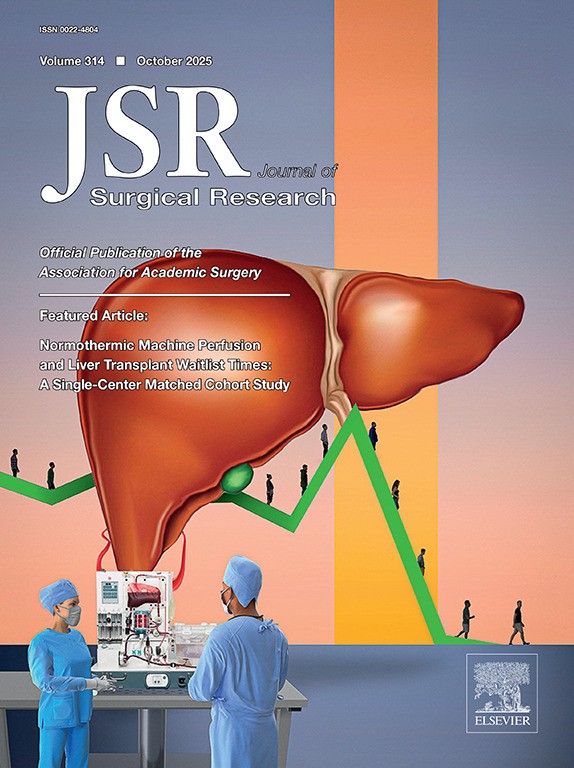
Journal of Surgical Research
Danielle J. Wilson, MD; Anna Tatakis, MD; Jaclyn A. Gellings, MD; Chase Caswell, BS; William Butak, BS; Amir Farah, MD; David Milia, MD; Daniel Holena, MD, MSCE
Overview
This prospective study evaluated operating room door-to-incision time (orDTI) as a novel metric of preoperative efficiency in emergent trauma surgery, using high-fidelity trauma operating room video review. Conducted at a Level 1 trauma center, the study aimed to quantify orDTI, characterize preincision activities, and assess whether physiologic instability—defined by hypotension or massive transfusion protocol (MTP) activation—was associated with shorter times to incision. By systematically analyzing intraoperative workflows through video review, the investigators sought to identify modifiable delays and opportunities for quality improvement in achieving rapid hemorrhage control.
Results
A total of 42 emergent trauma operations were analyzed, the majority involving penetrating injuries (78%). The median orDTI was 17.0 minutes (IQR 15.6–20.1). MTP was activated in 36% of cases, and 43% of patients were hypotensive by the time of incision. There were no statistically significant differences in orDTI between patients with and without MTP activation (16.5 vs 17.2 minutes, P = 0.53) or between hypotensive and normotensive patients (17.2 vs 16.7 minutes, P = 0.40). These findings suggest that physiologic instability did not translate into faster progression to incision, underscoring consistent workflow patterns and highlighting opportunities to further streamline processes to reduce time to hemorrhage control.
Peer-reviewed Research